Fix, Share, Belong: Repair Cafes Across the UK
A Quiet Revolution of Care
Behind every repair bench sits a small act of resistance to throwaway culture. A toaster is opened, a seam is re-stitched, a screw is tightened, and suddenly skills long considered old-fashioned feel powerfully current. Elders teach, teens learn, and everyone discovers the intimacy of understanding how something works. These moments change habits gently, encouraging questions, patience, and the radical notion that time spent together is part of what fixes a community.
From Waste to Worth
Across Britain, mountains of e-waste and textiles could be avoided when we choose repair first. A simple fuse replacement returns a lamp to life, a careful darning saves favourite socks, and a sharpened blade makes dinner prep joyful again. The choice to mend reduces costs for families, cuts climate impacts, and keeps stories attached to treasured possessions. Most of all, it shows that value lives not just in price tags, but in persistence and shared effort.
Names, Places, Small Miracles
In a Cornish coastal town, a retired electrician coaxes a salty radio back to singing. On a Glasgow estate, a youngster learns to rethread a sewing machine and grins like sunrise. In a Yorkshire library, a kettle’s loose connection meets a firm fix and a round of applause. These little victories ripple outward, inspiring neighbours to return with questions, biscuits, and growing confidence that together, many hands can mend almost anything.
How a Repair Session Flows
The Welcome Table
First impressions matter. The welcome desk smiles first, asks thoughtful questions, and listens for clues about both the fault and the owner’s attachment. Clear signs outline safety, consent, and limitations, avoiding disappointment while building trust. Tags track each item’s journey, and lighthearted conversation eases nerves. Newcomers are invited to observe other repairs, discover volunteer roles, or share cake. The message is simple and kind: you are not a nuisance; you are our neighbour.
The Bench Dance
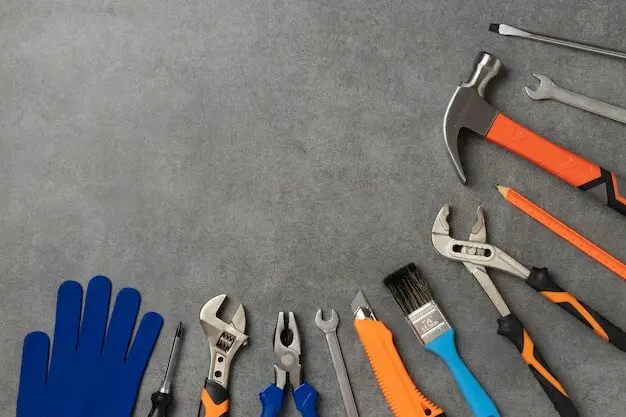
At the bench, curiosity leads. A fixer and guest examine the item together, recreating the fault and discussing likely causes. Out come multimeters, seam rippers, bike stands, and patience. Each step is narrated, highlighting decision points, risks, and alternatives. When the solution appears, the guest often performs the crucial action, building ownership and skill. If parts are required, advice is recorded clearly, with links to suppliers and instructions. The process itself becomes the prize.
Tea, Biscuits, Belonging
The kettle earns its keep. Between sips, strangers compare notes on stubborn zips, cracked phone screens, and resolute vacuum cleaners. Children hold torches for grandparents and discover the thrill of a successful test. Hospitality softens pride and invites questions that would otherwise stay unasked. Volunteers swap tricks, swap stories, and sometimes swap cake recipes. The table becomes a classroom where kindness oils conversation, and quiet encouragement turns small setbacks into shared determination.
Tools, Skills, and Safety Culture





Counting What Truly Counts
Keeping the Lights On
Start One in Your Town
Venue, Insurance, Stewardship
Look for bright, accessible spaces with sturdy tables, plenty of sockets, and room for prams and wheelchairs. Discuss insurance and responsibilities with the host early, and document risk assessments clearly. Keep extension leads tested, exits clear, signage friendly, and first-aid kits stocked. Assign roles for safety checks, data logging, and closing routines. Good stewardship protects people and places, ensures continuity, and quietly demonstrates the professionalism that keeps invitations and trust flowing from month to month.
People Power
Recruit widely and kindly: retired engineers, keen students, meticulous sewists, patient bike mechanics, and curious beginners who love hosting. Provide light training, buddy systems, and chances to shadow. Celebrate diverse learning styles and make space for translators and captioners. Rotate roles to avoid burnout and reveal hidden talents. Remember that listening is a skill too. Build traditions that make volunteering joyful—shared playlists, silly badges, biscuit honours—so energy stays buoyant and newcomers instantly feel at home.
Spreading the Word
Start with neighbours and grow outward: posters in corner shops, notes on library boards, friendly posts in local groups, and a simple mailing list. Photos of joyful fixes travel well, as do short reels showing careful hands and delighted owners. Invite local journalists and councillors to observe. Give schools flyers for backpacks. Remember accessibility in your language and imagery. End every message with an ask: bring a broken thing, a willingness to learn, and a story to share.

Accessibility by Design
Before the doors open, organisers walk the space as wheelchair users and parents with buggies might, noticing turns, thresholds, and shelf heights. Chairs with arms help some bodies, bright contrast tape guides others. Plain-language signs reduce cognitive load. If crowds overwhelm, offer quieter hours. Provide large-print forms, translation options, and flexible seating. Listening sessions uncover barriers early, and small adjustments—better lighting, slower demos, softer acoustics—turn occasional guests into regulars who feel intentionally welcomed rather than accidentally accommodated.
Safeguarding with Heart
Policies exist to protect trust, not to intimidate. Clear conduct guidelines, privacy practices, and incident reporting are explained in normal, friendly language. Volunteers understand boundaries, especially with children and vulnerable adults, and know when to seek support. Some roles require background checks; that is communicated respectfully and confidently. Photographs are always opt-in. When mistakes happen, learning follows, with humility and repair. This steady foundation allows kindness to flourish because everyone understands the rails that keep care safe.
Everyone Leaves Wiser
Teaching becomes memorable when guests do the work. Volunteers narrate steps slowly, offer tools one at a time, and make silence safe for thinking. People learn to celebrate partial fixes and planned next steps rather than chasing perfection. Confidence grows in layers: identifying screws, handling a multimeter, trusting a stitch. When a repair fails, the lesson still succeeds, because clarity about why deepens future attempts. Wisdom lingers as neighbours walk home practising curiosity rather than fearing breakdowns.
Right to Repair and the Bigger Picture
A Movement with Momentum
From living rooms to lecture halls, conversations about repair are reshaping expectations. People want products that open without drama, parts that ship quickly, and manuals that teach rather than hide. Campaigners, technologists, and tinkerers collaborate, showing manufacturers that serviceability wins loyalty. Meanwhile, community sessions model respectful, safe fixes that build public confidence. Each successful mend—however small—adds evidence that progress is practical, popular, and joyful, accelerating the shift toward designs that welcome maintenance rather than resist it.
Working with Councils and Waste Teams
Local authorities care about waste prevention, social connection, and skills. Repair groups meet all three, so partnerships blossom. Councils may offer venues, promotion, or small grants, while waste teams share safety guidance and data on bulky collections. Joint campaigns encourage residents to try fixing before discarding. Pop-up events at recycling centres invite serendipitous encounters where a would-be dump becomes a triumphant repair. Together, these efforts reduce costs, emissions, and isolation, replacing queues to tip sites with queues for tea.
Schools, Colleges, and Lifelong Learning
Young people love the reveal of a device coming apart and going back together better. Workshops blend science, craft, and citizenship, showing how design choices affect repairability and climate. Colleges contribute fresh energy, while elders pass onward techniques honed over decades. Libraries host clubs where intergenerational teams tackle puzzles with patience and delight. This continuous learning culture means that when something breaks at home, the reflex shifts from disposal to discovery, strengthening households and neighbourhoods with every curious question.