Fixing Britain Together: From Villages to City Streets
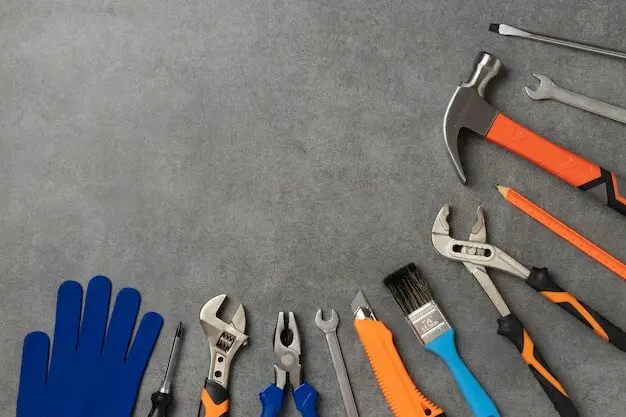
Today we dive into Rural vs Urban Repair Cafes in the UK: Challenges and Solutions, exploring how village halls and city pop-ups nurture fixing culture differently. Expect practical tips, real anecdotes, and actionable ideas you can adopt, whether your socket set lives in a barn cupboard or a bustling library makerspace corridor.

Footfall, Volunteers, and the Geography of Trust

Attendance looks different on a lane with sheep than beside a tube station, yet trust powers both. We compare footfall patterns, volunteer retention, triage approaches, and welcoming rituals that transform hesitant visitors into confident co-fixers, balancing care, speed, and celebration so repairs feel communal, not transactional.

Quiet Saturdays, Strong Bonds

On a rainy Cumbrian Saturday, five guests might arrive with toasters and jackets, but they leave knowing every name and trick for stubborn zips. Small numbers invite patient diagnostics, tea-fuelled storytelling, and follow-up visits that build confidence, shared tools, and resilient, neighbourly circles of skill.

Busy Queues, Fast Introductions

In a busy high street venue, twenty sign-ups by noon can feel exhilarating and chaotic. Clear intake forms, respectful timeboxing, and cheerful expectation-setting keep energy high. People still connect, swapping tips in the queue, celebrating quick wins, and returning with friends once the fear of failure fades.

Recruiting Hands and Hearts

Rural groups thrive by inviting the electrician who fixed the village hall lights, pairing them with curious teens, and celebrating helpers publicly. Urban teams succeed by posting micro-roles, welcoming drop-in skill-sharers, and hosting regular socials where gratitude, biscuits, and light mentoring convert interest into dependable commitment.

Getting Parts and Tools Where They’re Needed

Spare parts rarely teleport, and neither do soldering microscopes. We unpack procurement realities, shipping costs, storage, and clever sharing, comparing village borrowing networks and travelling toolkits with city partnerships, bulk orders, and donation drives, so broken hinges, batteries, and belts become solvable puzzles rather than event-stoppers.

Last mile logistics across long miles

When the nearest electronics supplier sits two towns away, lead times stretch plans. Rural coordinators batch requests, confirm model numbers by phone, and arrange lift-shares for collection, reducing wasted trips while teaching participants how to read labels, measure screws, and spot reusable spares in household drawers.

Pooling equipment with neighbours

Tool ownership spreads thinly across villages, so neighbouring groups share heat guns, PAT testers, and sewing machines by calendar, with backup kits riding in car boots. The practice builds trust, reduces spending, and sparks friendly skill exchanges while ensuring events never stall for lack of essentials.

Donations, discounts, and responsible sourcing

Urban organisers partner with refurbishers, retailers, and repair-friendly manufacturers who donate consumables, old stock, or discounts. Transparent sourcing policies avoid greenwash, prioritise reuse, and teach visitors to value quality parts, turning every screw and capacitor into a story about fairness, longevity, and design that respects repairers.

Money, Policy, and Proving Impact

Keeping lights on requires more than goodwill. We compare funding paths, from parish microgrants to city waste-prevention budgets, and explore policy shifts like right to repair, producer responsibility, and library partnerships. You will gain language, metrics, and stories to persuade decision-makers while protecting grassroots independence.

Small grants that keep the kettle boiling

A tiny award can cover hire fees, biscuits, and PAT labels for months. We share application phrasing that foregrounds social connection and carbon savings, including how rural projects stress isolation reduction, while urban projects highlight waste diversion and local economic benefits for markets and high streets.

Working with councils and libraries

Working with councils, libraries, and waste authorities opens doors to venues, publicity, and measured outcomes. Agreements must protect independence and volunteer wellbeing, stating expectations clearly, celebrating successes jointly, and defending the right to refuse unsafe items without pressure, quotas, or mission drift that damages community trust.

Counting more than kilograms

Weight diverted from landfill matters, but so do smiles, conversations, and confidence. Mix numbers with narrative: track repeat visits, skills gained, repair lifespans, and cost avoided. Test social prescribing referrals, and invite feedback cards that capture gratitude, critiques, and bold ideas for the next event.
Onboarding fixers without scaring them

People worry they will break things or look foolish. Start with buddy systems, transparent toolboards, and easy wins like plugs, seams, and wobbly chairs. Narrate decisions aloud, celebrate mistakes as learning, and keep tea visible so conversations soften nerves and transform doubt into discovery.

Health and safety that empowers

Clear zones, mats, eye protection, and test procedures do not kill joy; they free creativity. Display simple yes-no flowcharts, quarantine boxes for unsafe items, and fire-safe charging rules for batteries, explaining why each matters until participants begin reminding newcomers before you even ask.

Intergenerational learning that sticks

A retired radio engineer pairs with a teenager repairing headphones, each teaching the other patience and shortcuts. Invite schools, Men’s Sheds, and sewing circles, and record pairings that work, so organisers can recreate chemistry that sparks courage, careful diagnostics, and stories families repeat at dinner.

Spaces, Scheduling, and Access

Great fixes depend on good rooms and realistic timetables. We explore village halls, churches, shopping centres, and libraries, considering light, noise, storage, sockets, wheelchair access, and public transport. Matching open hours to buses or market days can double turnout while reducing volunteer fatigue and cancellations.
A space that photographs well might echo terribly or hide power points behind stacked chairs. Test layouts with mock stations, walk the route as a visitor, and tape cables early. Rural sites value lockable cupboards; urban venues demand signage, queue plans, and agreements about music and announcements.
Where buses run twice daily, lift-sharing boards and staggered slots protect attendance. Offer repair drop-off for elders during weekday errands, then invite them back to collect and chat. In cities, concentrate near frequent transit, bike parking, and pram access, removing friction that silently excludes willing participants.
Summer fetes bring curious visitors and sunshine glare; winter sessions offer cosy focus and early night travel challenges. Map local calendars, avoid football kickoffs, and collaborate with farmers markets or cultural festivals, taking portable banners and lights so pop-up stations feel clear, welcoming, and unmistakably practical.

Stories, Data, and Digital Reach

Stories give repairs wings, while respectful data strengthens funding bids. We compare urban social media bursts with rural noticeboards, explore consent for photos, and share lightweight tools for bookings and impact logs. Blend numbers and narratives to inspire participation, transparency, and a movement people want to join.

Telling repair stories people remember
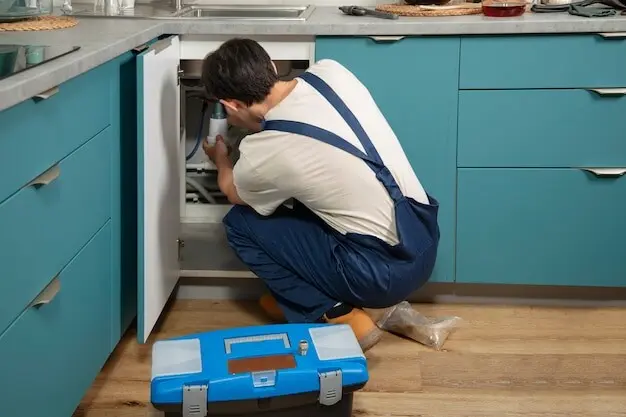
Photograph hands, smiles, and mended seams rather than faces, unless consent is clear. Pair every image with a sentence about learning gained, not just waste avoided. Publish before-after collages and short origin tales that credit makers, donors, and mentors, inviting readers to bring their own stories next time.

Booking systems that help, not hinder

Simple tools like Eventbrite or spreadsheets keep flows steady without scaring walk-ins. Offer priority slots for complex electronics, plus wildcard tables for quick fixes. Share wait times online, and post clear arrival instructions, while still welcoming anyone who wanders past, curious, hopeful, and carrying a rattling toaster.
Loroveltovexonovitavo
Privacy Overview

This website uses cookies so that we can provide you with the best user experience possible. Cookie information is stored in your browser and performs functions such as recognising you when you return to our website and helping our team to understand which sections of the website you find most interesting and useful.